Is your child or teenage athlete experiencing shoulder pain, weakness, or difficulty participating in sports activities?
Does the pain increase during throwing, swimming, badminton, cricket, gymnastics, or overhead sports movements?
Shoulder injuries in children and teen athletes commonly occur because of sports trauma, repetitive overhead activities, muscle strain, instability, or overuse injuries affecting the growing shoulder joint.
Dr. Ratnav Ratan provides specialized pediatric orthopedic and sports injury care in Gurgaon for evaluation, treatment, rehabilitation, and recovery of shoulder injuries in young athletes.
Shoulder injuries in children and teenagers may occur during sports participation, falls, training sessions, or repetitive overhead movements. Young athletes involved in cricket, swimming, badminton, baseball, volleyball, gymnastics, and tennis are more prone to shoulder stress injuries.
These injuries can affect muscles, tendons, ligaments, growth plates, and the shoulder joint itself. Early diagnosis and treatment are important to prevent worsening pain, reduced performance, and long-term shoulder instability.
The shoulder joint is highly mobile and depends on muscles, tendons, and ligaments for stability. In growing children and adolescents, the growth plates around the shoulder are more vulnerable to injury during intense sports activities.
Repetitive strain, poor throwing mechanics, muscle imbalance, direct trauma, and overtraining can lead to pain, inflammation, instability, and limited shoulder movement in young athletes.
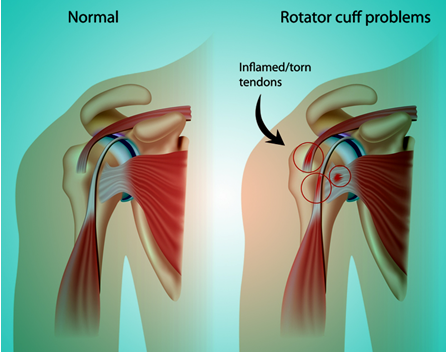
Shoulder pain in young athletes can affect sports performance and daily activities

Pediatric shoulder anatomy and sports-related stress areas
Shoulder injuries in children and teen athletes may develop gradually due to overuse or suddenly after a fall or sports injury. Timely orthopedic assessment helps identify the exact cause and severity of the injury.
Early treatment and rehabilitation can help reduce pain, restore movement, and safely return young athletes to sports activities.
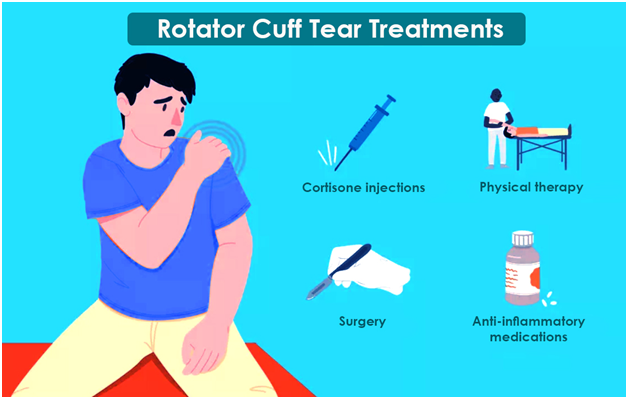
Sports-related shoulder injuries may cause pain, weakness, and limited movement
Repetitive throwing, swimming, and overhead sports can place excessive stress on the shoulder muscles, tendons, and growth plates, causing inflammation and pain.
Shoulder instability may occur after falls, collisions, or repeated strain. Young athletes may feel the shoulder slipping out of place or experience recurrent dislocations.
The orthopedic specialist will evaluate the child’s symptoms, sports activity level, medical history, and mechanism of injury through a detailed physical examination.
Shoulder movement, strength, posture, joint stability, and sports mechanics may be assessed to identify the underlying problem accurately.
If required, X-rays, ultrasound, or MRI scans may be advised to evaluate growth plates, ligaments, muscles, tendons, and shoulder joint injuries before planning treatment.
Treatment depends on the child’s age, injury severity, sports participation level, and overall shoulder condition. The goal is to reduce pain, restore movement, and safely return the athlete to sports.
If shoulder pain, instability, or movement limitation does not improve with conservative treatment, advanced orthopedic procedures may be recommended.
Customized physiotherapy and rehabilitation programs help restore shoulder flexibility, strength, coordination, and sports performance safely.
Minimally invasive arthroscopic procedures may be advised for shoulder instability, ligament injuries, recurrent dislocations, or persistent shoulder pain in selected cases.
Treatment plans focus on protecting the growing shoulder joint while helping young athletes safely return to sports activities and prevent future injuries.
Recovery depends on the type and severity of the shoulder injury, as well as the child’s participation in rehabilitation and sports conditioning programs.
Most children and teen athletes improve with proper rest, physiotherapy, strengthening exercises, and guided return-to-sports protocols designed to prevent reinjury.
With early diagnosis, appropriate orthopedic treatment, and structured rehabilitation, many young athletes can safely return to school, sports, and physical activities with improved shoulder strength and confidence.