Is your child experiencing pain, swelling, or difficulty moving an arm or leg after a fall or sports injury?
Is there bruising, tenderness, or inability to bear weight on the affected limb?
These symptoms may indicate a fracture or a growth plate injury that requires prompt pediatric orthopedic care.
Early diagnosis and expert treatment are important to ensure proper healing and healthy bone growth in children and adolescents.
Pediatric fractures and growth plate injuries are common in active children and teen athletes. These injuries often occur during sports, cycling, playground activities, or accidental falls.
Growth plates are soft cartilage areas near the ends of children’s bones where growth occurs. These regions are more vulnerable to injuries compared to mature bones in adults.
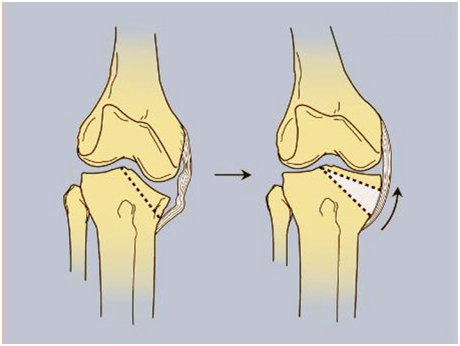
Specialized pediatric orthopedic care helps ensure healthy bone healing and growth
While many pediatric fractures heal quickly, untreated growth plate injuries can affect future bone growth and joint alignment.
Timely evaluation and appropriate treatment reduce the risk of deformity, limb length differences, and long-term mobility problems.
A pediatric orthopedic specialist performs a careful physical examination to assess swelling, tenderness, deformity, and stability of the affected bone or joint.
The doctor evaluates whether the injury involves the growth plate and checks for any displacement or instability that may interfere with normal bone growth.
Imaging tests such as X-rays, MRI scans, CT scans, or ultrasound may be advised to determine the exact type and severity of the injury.
Treatment depends on the child’s age, type of fracture, location of injury, and involvement of the growth plate.
Surgery may be necessary for displaced fractures, unstable injuries, joint involvement, or severe growth plate damage that cannot heal properly with casting alone.
The orthopedic surgeon gently repositions the broken bone without open surgery and applies a cast to maintain proper alignment during healing.
Small pins or wires may be inserted through tiny incisions to stabilize unstable fractures and maintain correct positioning until healing is complete.
Special surgical techniques are used to restore alignment while protecting the growth plate and minimizing the risk of future growth disturbances.
Certain fractures and cartilage injuries around joints can be treated with minimally invasive arthroscopic procedures for faster recovery and reduced tissue damage.
Children generally recover faster than adults, but growth plate injuries require careful follow-up to ensure proper healing and continued bone development.
Rehabilitation focuses on improving flexibility, restoring muscle strength, enhancing balance, and gradually returning the child to normal activities and sports.
The intensity of therapy is increased gradually once healing is confirmed clinically and through imaging studies.
Early treatment, specialized pediatric orthopedic care, and structured rehabilitation help children return safely to school, play, and sports while minimizing long-term complications.