
Are you seeking treatment for persistent muscle weakness and aching bones?
Are you suffering from bone-related issues such as osteomalacia?
Seek proper diagnosis and treatment from an orthopedist and save yourself from further health complications.
Dr. Ratnav Ratan is a consulting orthopedist in Gurgaon, Delhi who treats osteomalacia and other conditions related to bone health.
Also, he is a pediatric orthopedic and sports surgeon with nearly thirteen plus years of experience.
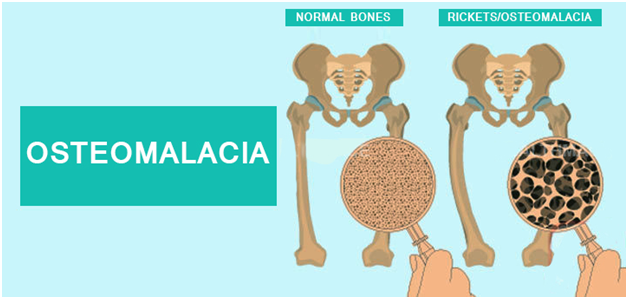
A patient suffering from osteomalacia complains of pain in the bones and muscle weakness.
Osteomalacia is a health condition that occurs due to vitamin D deficiency, while diet, genes, and environment are the other factors responsible for osteomalacia.
Early diagnosis and treatment can help reduce pain, improve bone strength, and prevent further complications.
Bone pain and muscle weakness need timely orthopedic evaluation
The severity and intensity of pain may differ from patient to patient.
Also, the patient will require immediate medical attention in the event of a fracture where the injured area is swollen, numb, and cold, accompanied by extreme pain and discomfort. The injury within the bone is visible.
Inadequate quantities of minerals, calcium, and phosphate hamper the development of bones leading to weak bones.
It is likely that the patient does not consume food rich in minerals, calcium, and phosphate, or the body cannot absorb them properly.
Other main causes are:
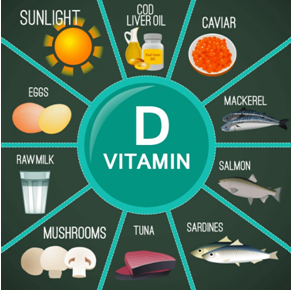
Inadequate exposure to sunlight, the natural source of vitamin D, is a major cause of osteomalacia.
If the diet of a patient includes zero or minimal milk and related products, foods with little vitamin D and phosphate, and predominantly vegetarian meals.
A patient suffering from celiac disease cannot consume wheat, barley, rye, and other food containing gluten, which damages the small intestine’s lining. Hence, the patient can suffer from a deficiency of calcium and vitamin D.
These organs play a vital role in the absorption of vitamin D in the body. Their improper functioning means the ability of the body to activate vitamin D is affected.
Certain medicines and drugs prescribed to treat seizures lead to a deficiency of vitamin D, and the patient suffers from osteomalacia.
A patient is likely to have a deficiency of vitamin D and hence osteomalacia if the patient has undergone removal of the stomach or a part of it, bypassing the small intestine or any other GI-related surgery.
Cancer, anorexia nervosa, and a family history of vitamin D deficiency are known to cause osteomalacia.
Excessive use of sunscreen or sunblock to prevent exposure to sunlight leads to less absorption of vitamin D in the body.
The treating orthopedist surgeon performs in-depth medical examination and diagnosis, keeping in mind the patient’s medical history. It is important to rule out the presence of osteoporosis and other bone-related disorders.
The following tests are recommended to the patient:
This test is conducted under general anesthesia. The doctor inserts a slender needle to withdraw a sample of bone from the pelvic bone located just above the hip.
The best treatment of osteomalacia is to seek medical advice on how to raise vitamin D levels in the body.
The orthopedist can prescribe oral supplements of vitamin D, calcium, and phosphate in the body. This treatment can take a few weeks.
Also, it will be advisable to take these supplements for a period as suggested by the doctor.
If the patient is suffering from kidney or liver diseases, then seeking suitable treatment also improves the absorption of vitamin D in the body.
Treatment usually focuses on correcting vitamin D, calcium, and phosphate deficiency