One of the most common sports injuries of the knees is the anterior cruciate ligament sprain or tear. Athletes and high-demand sports players are at a greater risk of injuring their anterior cruciate ligaments.
Surgery of the injured anterior cruciate ligament ensures full functionality of the knee. However, the surgery as a treatment option depends on the activity level and the extent of the injury.
Dr. Ratnav Ratan is a renowned sports orthopedic doctor specializing in effectively treating ACL tears.

ACL tears are among the most common knee injuries seen in active individuals and athletes.
On injury of the anterior cruciate ligament, the patient may hear a pop noise within the knee area and feel the knee losing grip or giving way.
Noticeable swelling may develop within 24 hours. Although swelling may reduce later, the patient is often unable to resume normal or sports activities without proper treatment.
Timely consultation with an orthopedic specialist is important when symptoms suggest an anterior cruciate ligament tear or sprain.
The incidence of ACL tear can be higher in sportswomen because of differences in physical conditioning, muscle strength, neuromuscular control, body structure, and the effect of estrogen on ligament properties.
The knee joint is the meeting point of the thighbone, shinbone, and patella. The kneecap covers and protects the knee joint.
Ligaments in the knee are rope-like structures that hold the bones together and provide stability. Every knee has four primary ligaments. Two collateral ligaments are present on the sides of the knee, while two cruciate ligaments are within the knee joint and cross each other to make an X.
The anterior cruciate ligament is in the front, while the posterior cruciate ligament lies in the back. Their function is to control the knee’s back and forth movements and provide rotational stability.
In most cases, anterior cruciate ligament tear occurs along with injuries to other knee parts such as the meniscus, articular cartilage, and other ligaments.
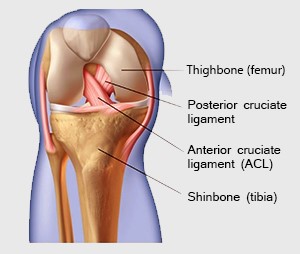
The ACL provides forward and rotational stability to the knee joint.

ACL injuries are graded based on severity from mild stretch to complete tear.
Anterior cruciate ligament tear is referred to as a sprain and is graded according to severity. Complete or near-complete tears are more common, while partial tears are relatively rare.
Mild damage to the ligament, i.e., it is slightly stretched but capable of keeping the knee joint stable.
Partial tear of the ligament i.e., the sprain stretches the ligament and makes it loose.
Complete tear of the ligament, i.e., the ligament is split into two pieces with an unstable knee joint.
The orthopedic surgeon understands the medical condition of the patient, reviews medical history, and performs a physical as well as comparative examination of both knees.
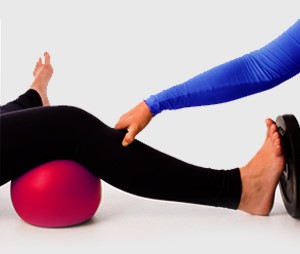
Once the swelling on the knee subsides, a physical therapy regimen is advised to restore the function of the knee and strengthen the muscles that support the knee.
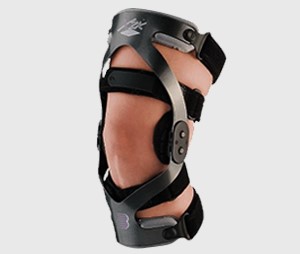
The patient will have to wear a brace to protect the knee from stability. He or she may have to use crutches to prevent putting weight on the leg with the injured knee.
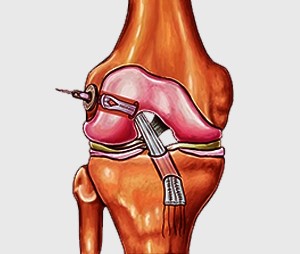
If recovery after nonsurgical treatment is inadequate, or the patient needs to return to active sports, surgical reconstruction may be advised.
Apart from evaluating the injured knee, the orthopedic surgeon considers age, sports activity, and the patient’s physical condition. Surgery is often essential for athletes wishing to resume sports early, while sedentary patients may be treated without surgery.
Nonsurgical treatment includes bracing and physical therapy. This approach is recommended for patients with a stable knee, low activity level, or advanced age.
Graft options may include tissue from the patellar tendon, hamstring tendon, quadriceps tendon, or a cadaver graft.
Recovery after ACL tear surgery usually takes nearly six months or more because the ligament has to regrow. Rehabilitation is crucial for healing as it helps restore strength and full motion to the knee.
Post-surgery rehabilitation focuses on restoring movement in the joint and surrounding muscles, followed by strengthening the new ligament and ensuring its protection.
The final phase of rehabilitation prepares the patient for a safe return to sports activities.