Is your child or teenage athlete experiencing shoulder pain during throwing, swimming, badminton, tennis, or overhead sports activities?
Does the pain increase after repetitive training sessions, sports practice, or overhead arm movements?
Have you noticed shoulder stiffness, weakness, or reduced sports performance in your young athlete?
If yes, timely orthopedic evaluation is important. Dr. Ratnav Ratan is experienced in treating overuse shoulder injuries in children and teen athletes, helping them recover safely and return to sports activities confidently.
Overuse shoulder pain in young athletes develops because of repetitive stress on the growing shoulder joint, muscles, tendons, and growth plates. Sports involving repeated overhead movements place continuous strain on the shoulder structures.
If ignored, repetitive stress can lead to worsening inflammation, muscle imbalance, reduced mobility, and increased risk of more serious shoulder injuries in young athletes.

Overuse shoulder injuries commonly affect young athletes involved in overhead sports
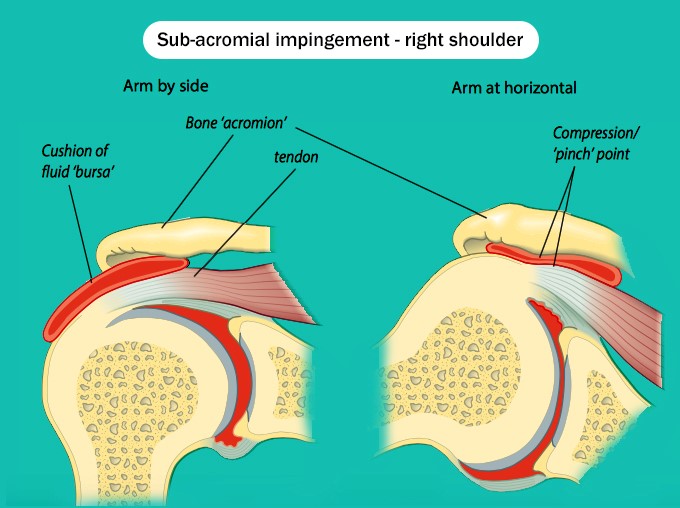
Anatomy of the shoulder joint and sports-related stress areas
Overuse shoulder pain occurs when repeated sports activities irritate the muscles, tendons, ligaments, or growth plates around the shoulder joint.
Continuous strain without adequate rest can lead to inflammation, tissue irritation, shoulder weakness, and reduced athletic performance over time.
During evaluation, the orthopedic specialist will assess the child’s sports activity, training intensity, shoulder movement, posture, and muscle strength.
The doctor may perform shoulder stability and motion tests to identify muscle imbalance, tendon irritation, or growth plate stress injuries.
Imaging tests such as X-rays, ultrasound, or MRI scans may be recommended if needed to assess the severity of shoulder inflammation or associated injuries.
Young athletes involved in cricket, swimming, badminton, tennis, baseball, volleyball, and gymnastics are particularly vulnerable to overuse shoulder injuries due to repetitive shoulder stress.
Repetitive sports activity can inflame the tendons around the shoulder, causing pain, weakness, and difficulty during overhead arm movements.
Growing bones in children and adolescents are more sensitive to repetitive stress, which can lead to irritation around the shoulder growth plates.
Weakness or imbalance between shoulder muscles may alter shoulder mechanics and increase strain during sports participation.
Initial treatment focuses on reducing inflammation, relieving pain, and protecting the shoulder from further strain. The next goal is restoring movement, strength, and safe sports participation.
Early treatment and proper rehabilitation can help prevent long-term shoulder problems and improve athletic performance safely.
Most young athletes improve with conservative treatment, rest, and rehabilitation. However, persistent pain or instability may require further orthopedic evaluation.
In selected cases, minimally invasive arthroscopic procedures may be advised to evaluate and treat shoulder instability, tendon injuries, or associated joint problems.
Arthroscopic treatment uses small incisions and specialized instruments to assess shoulder structures while minimizing tissue damage and recovery time.
The treatment plan is always individualized according to the child’s age, sports activity level, severity of injury, and long-term shoulder health.
Rehabilitation is extremely important in treating overuse shoulder pain in young athletes. Physiotherapy helps restore shoulder flexibility, strength, posture, and movement control.
Rehabilitation exercises may include stretching, resistance training, shoulder stabilization exercises, and sports-specific conditioning programs.
Guided return-to-sports protocols help reduce the risk of reinjury and ensure the athlete returns safely to training and competition.
A structured rehabilitation and injury-prevention program plays a major role in long-term shoulder health and athletic performance in children and adolescents.