Knee ligament injuries are increasingly common in active children and adolescents involved in sports and physical activities.
Injuries to ligaments such as the ACL, PCL, MCL, and LCL can occur during sudden twisting movements, falls, direct impact, or sports-related trauma.
Early diagnosis and proper treatment are essential to restore knee stability, prevent long-term damage, and help young athletes safely return to activity.
Dr. Ratnav Ratan specializes in pediatric and adolescent sports injuries and offers comprehensive care for knee ligament injuries in growing children.
Ligaments are strong bands of tissue that connect bones and stabilize the knee joint. In children and adolescents, ligament injuries can affect mobility, balance, and athletic performance.
The knee contains four major ligaments — the ACL, PCL, MCL, and LCL — each responsible for maintaining knee stability during movement.
Since children and adolescents are still growing, untreated ligament injuries may affect growth plates and long-term knee function.
Timely orthopedic evaluation helps determine the severity of injury and guides safe treatment and rehabilitation.
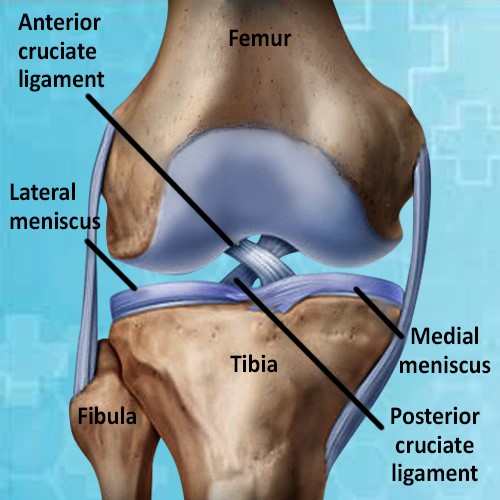
Knee ligaments help stabilize the joint during running, jumping, and sports activities.
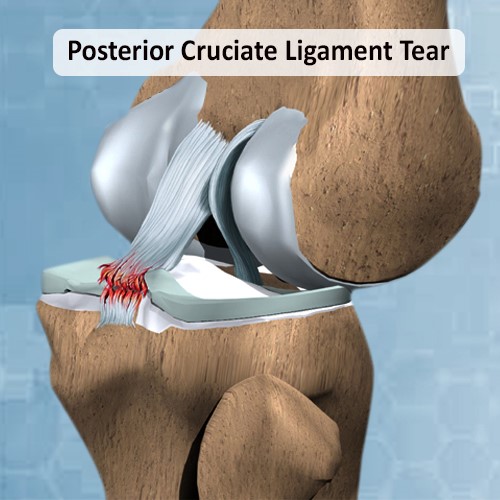
Sports injuries, twisting movements, and falls are common causes of ligament injuries in young athletes.
Knee ligament injuries in children and adolescents commonly occur during sports such as football, basketball, cricket, gymnastics, and skating.
Sudden twisting, awkward landing from jumps, direct collision, or rapid changes in direction can overstretch or tear the ligaments.
Young athletes who participate in high-intensity sports without proper conditioning or training may be at greater risk of developing knee instability and ligament injuries.
A detailed orthopedic evaluation is important to accurately diagnose ligament injuries in growing children and adolescents.
Proper diagnosis helps determine whether nonsurgical treatment or surgical intervention is required for the best possible recovery.
Mild stretching of the ligament causing pain and swelling but without major instability of the knee.
Partial or complete tear of the ligament leading to knee instability, restricted activity, and difficulty in sports participation.
Many mild to moderate ligament injuries in children can be managed without surgery through proper rehabilitation and activity modification.
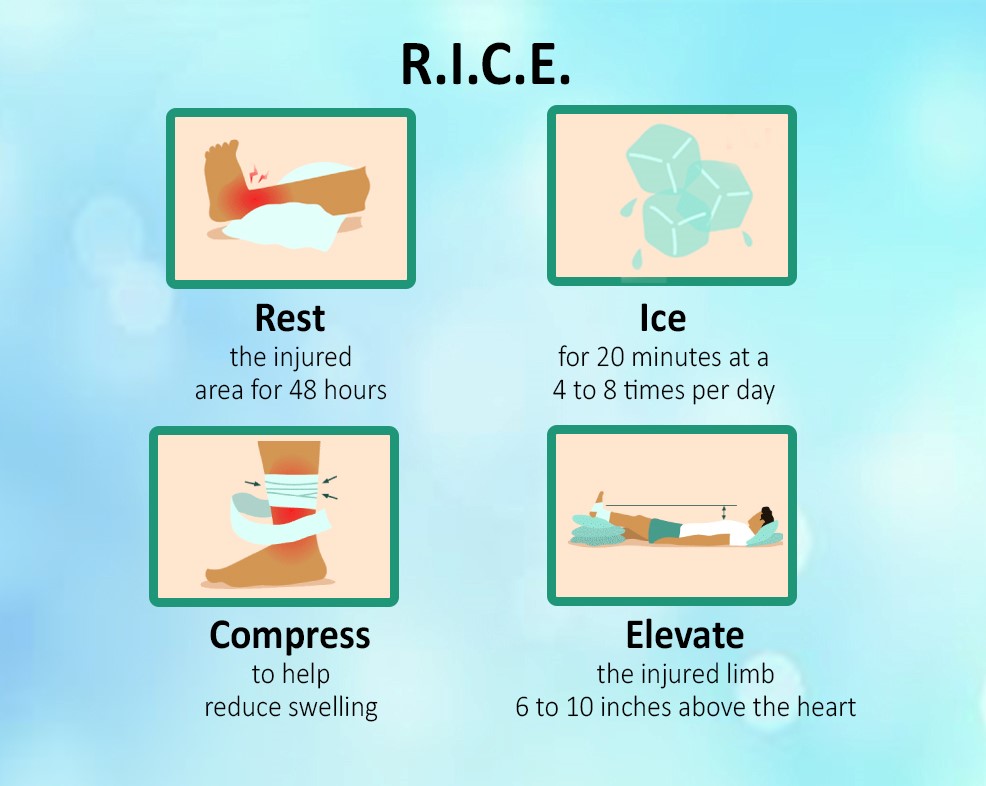
Initial treatment often includes the RICE protocol:
Bracing and temporary restriction from sports activities may be advised to allow healing and reduce stress on the injured ligament.
Physical therapy helps improve strength, balance, flexibility, and knee stability during recovery.
Physical therapy and bracing are commonly used to treat mild ligament injuries in children.

Advanced ligament tears may require arthroscopic reconstruction for restoring knee stability.
Severe ligament tears or persistent knee instability may require arthroscopic ligament reconstruction surgery.
Surgical treatment in children and adolescents is carefully planned to protect the growth plates while restoring knee stability and function.
Common surgical procedures may involve:
Modern pediatric sports injury techniques allow faster recovery with minimal disruption to growing bones.
Post-surgery rehabilitation is essential to regain knee strength, mobility, and confidence in sports activities.
Recovery from knee ligament injuries depends on the severity of the injury and the treatment approach used.
Rehabilitation focuses on reducing pain and swelling, restoring range of motion, improving muscle strength, and preventing future injuries.
A structured rehabilitation program helps children and adolescents safely return to school activities, sports, and daily routines with improved knee stability and confidence.