ACL injuries are increasingly common in children and adolescent athletes who participate in sports involving jumping, pivoting, sudden stopping, and rapid directional changes.
Early diagnosis and appropriate treatment are important because ACL injuries in growing athletes can affect knee stability, sports participation, and long-term joint health.
Dr. Ratnav Ratan specializes in pediatric and adolescent sports injuries and provides advanced treatment solutions for ACL injuries in young athletes.

ACL injuries in children and teens commonly occur during sports involving pivoting and jumping movements.
The anterior cruciate ligament (ACL) is one of the key stabilizing ligaments of the knee joint. In young athletes, ACL injuries often occur during sports such as football, basketball, gymnastics, skiing, and cricket.
Children and adolescents may experience an ACL sprain, partial tear, or complete tear after twisting the knee, landing awkwardly, or sudden pivoting during sports activities.
Early orthopedic evaluation is important because untreated ACL injuries may lead to repeated instability episodes and damage to the meniscus or cartilage.
Young athletes involved in competitive sports with repetitive cutting and pivoting movements are at increased risk of ACL injuries. Proper training, conditioning, and movement mechanics may help reduce injury risk.
The knee joint is formed by the thighbone, shinbone, and kneecap. Ligaments connect these bones and provide stability to the knee.
The ACL is located in the center of the knee joint and helps control forward movement and rotational stability of the knee.
In children and adolescents, special attention is required because the growth plates around the knee are still open and developing.
Pediatric ACL injuries may occur along with associated meniscus injuries, cartilage damage, or bone bruising, especially in active athletes.
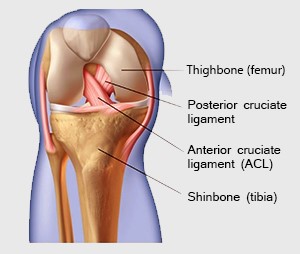
The ACL plays a major role in maintaining knee stability during sports and physical activity.

ACL injuries range from mild sprains to complete ligament tears.
Pediatric ACL injuries are classified according to the severity of ligament damage. Accurate grading helps determine the most suitable treatment approach.
Mild stretching of the ACL without significant instability. The ligament remains intact and continues to stabilize the knee.
Partial tearing of the ligament with moderate instability and pain during sports or physical activity.
Complete rupture of the ACL resulting in significant instability, especially during running, pivoting, and sports participation.
The orthopedic surgeon evaluates the child’s symptoms, injury mechanism, sports participation level, and performs a detailed knee examination.
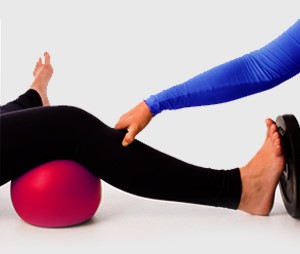
Physical therapy helps restore movement, improve muscle strength, reduce swelling, and support knee stability in young athletes recovering from ACL injury.
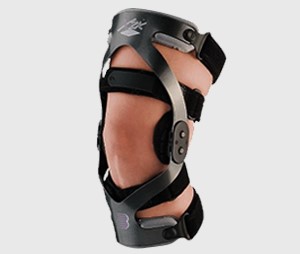
Knee braces and temporary activity restriction may be recommended to protect the injured knee and reduce instability during recovery.
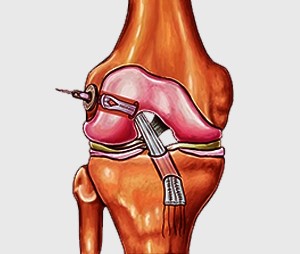
MRI scans and orthopedic assessment help determine whether nonsurgical care or growth plate–respecting ACL reconstruction is appropriate.
Treatment depends on the child’s age, skeletal maturity, sports participation, instability symptoms, and associated injuries such as meniscus tears.
Mild ACL injuries or low-demand activity levels may sometimes be treated conservatively with rehabilitation and activity modification.
In active children and adolescent athletes with unstable knees or complete ACL tears, pediatric ACL reconstruction may be recommended using growth plate–sparing or growth-respecting surgical techniques.
Rehabilitation is an essential part of recovery after pediatric ACL injury treatment. The goal is to restore knee motion, strength, balance, and confidence during sports activities.
Recovery programs are individualized according to the athlete’s age, healing progress, and sports requirements. Exercises progress gradually from mobility work to advanced sports-specific drills.
With proper treatment and guided rehabilitation, many children and adolescent athletes can safely return to sports and physical activity with improved knee stability and function.