How are meniscus injuries treated in children and adolescent athletes?
Young athletes who participate in football, basketball, cricket, gymnastics, volleyball, wrestling, and other pivoting sports are at increased risk of knee injuries involving the meniscus.
The meniscus is a shock-absorbing cartilage inside the knee that helps protect the joint during running, jumping, twisting, and sudden direction changes.
A twisting injury followed by knee pain, swelling, locking, or a popping sensation may indicate a meniscus injury and should be evaluated early by a pediatric sports injury specialist.
Meniscus injuries in children and teenagers can affect sports performance, daily movement, and knee stability. Young athletes may experience difficulty bending or straightening the knee completely.
The meniscus acts as a cushion between the thigh bone and shin bone. When torn, it may cause pain, swelling, locking, clicking, or a feeling that the knee is getting stuck during movement.
During examination, the orthopedic specialist carefully checks the child’s knee for swelling, tenderness, instability, and restricted movement.
Children and teen athletes with a meniscus injury often complain of pain during squatting, twisting, running, or sports participation.
The doctor compares both knees to assess the severity of injury and identify any associated ligament or cartilage damage.
Clinical assessment includes range of motion testing, joint line tenderness evaluation, stability assessment, and specialized meniscus tests to confirm the diagnosis.

Detailed clinical examination and imaging help diagnose meniscus injuries in young athletes.
X-rays: X-rays help rule out fractures, growth plate injuries, or other bone-related conditions that may mimic meniscus injury symptoms in children.
MRI: MRI scans provide highly detailed images of the meniscus, ligaments, cartilage, and surrounding structures, making them one of the best tools for diagnosing meniscus tears in children and teen athletes.
Treatment depends on the size, location, and pattern of the tear, along with the child’s age, activity level, and sports participation goals.
Preserving the meniscus is extremely important in growing children because it protects the knee cartilage and helps maintain long-term joint health.
Surgical treatment may be recommended for large, unstable, locked, or symptomatic meniscus tears that fail to improve with conservative care.
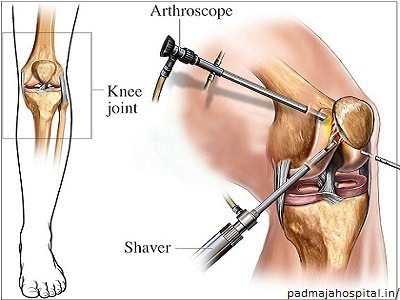
Arthroscopic surgery allows minimally invasive repair of meniscus tears in young athletes.
Children and adolescents generally have a better healing potential because of healthier tissue and improved blood supply compared to adults.
Whenever possible, surgeons aim to repair and preserve the meniscus instead of removing it, especially in growing athletes.
Arthroscopic meniscus repair is performed through small keyhole incisions using specialized instruments and cameras to visualize the inside of the knee joint.
Advanced suturing techniques are used to stabilize the torn meniscus tissue, helping restore knee function and reduce the future risk of cartilage damage or early arthritis.
In cases where the torn portion cannot be repaired, arthroscopic trimming or balancing of the damaged meniscus may be performed.
The goal is to preserve as much healthy meniscus tissue as possible while relieving pain, locking, and mechanical symptoms. Rehabilitation and guided physical therapy are essential for safe recovery and return to sports activities.
Since children and adolescents have open growth plates and developing bones, treatment should be carefully planned by an orthopedic specialist experienced in pediatric sports injuries.
Protecting the meniscus and preserving knee stability are extremely important to support healthy growth, sports participation, and long-term joint function.
Early diagnosis and proper rehabilitation can help young athletes safely return to sports while reducing the risk of repeated injury or future knee problems.
Persistent knee pain, swelling, or locking symptoms should be evaluated early to prevent worsening of the injury.
Proper warm-up routines and dynamic stretching before sports activities improve flexibility, muscle activation, and injury prevention.
Strong quadriceps, hamstrings, hip abductors, and calf muscles help support the knee joint and reduce stress on the meniscus during sports.
Balance training and neuromuscular exercises help young athletes improve knee control during running, jumping, and quick directional changes.
Adequate rest between training sessions and sports competitions is important to prevent overuse injuries and allow proper muscle recovery.
Learning proper landing, pivoting, and cutting techniques reduces unnecessary twisting forces on the knee and lowers the risk of meniscus injuries.