
Welcome to our Young Bones Clinic.
Parents with babies having clubfoot need to take extra care of their child.
At Young Bones Clinic, our dedicated orthopedist in Gurgaon, Delhi is an expert in providing effective clubfoot treatment for people in and around Gurgaon, Delhi.
In this article, we will explain everything about clubfoot.
Clubfoot is a congenital deformity in which an infant’s foot is twisted out of shape inward or upward. It is the most common deformity of the bones and joints in newborns.
It can be mild or severe and occur in one or both feet.
Approximately one newborn in every 1,000 live births will have clubfoot.
In clubfoot, the tendons that connect the leg muscles to the foot bones are short and tight, causing the foot to twist inward.
The cause of clubfoot (idiopathic type) is not exactly known, but it is most likely multifactorial and no single reason has been identified.
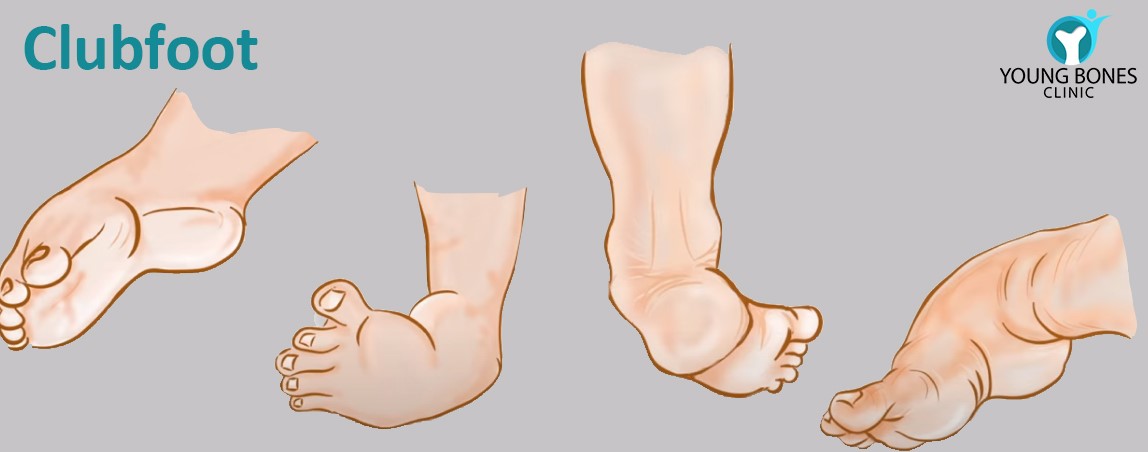
Clubfoot is a completely treatable foot deformity when managed early
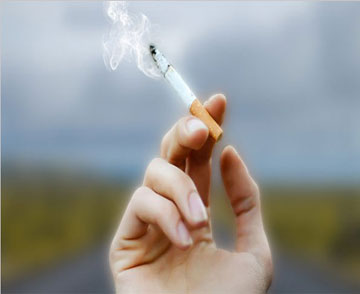
Maternal and paternal smoking, low amniotic fluid, and first pregnancy are known risk factors
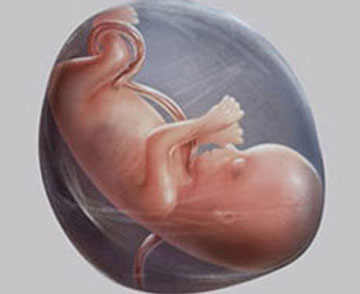
Risk factors do not confirm the condition, but they increase the likelihood of clubfoot
It can be easily detected in the womb after 20 weeks of pregnancy by ultrasound.
Most cases are detected at birth on clinical examination.
The specific components of the foot deformity make the diagnosis easy by the pediatrician or pediatric orthopedic surgeon.
Yes. It is a completely treatable deformity. In most cases, parents should not worry if their baby is detected with clubfeet at or before birth.
With timely intervention at birth and with sequential plasters, the child ends up having normal feet without any functional limitations.
The key is early treatment starting 5 to 7 days after birth. It is successful in 95% to 98% of children and usually does not require any extensive surgical correction.
A trained pediatric orthopedic surgeon is the best doctor to treat this condition.
At Young Bones Clinic, we have a well-trained and qualified pediatric orthopedic surgeon in Gurgaon, Dr. Ratnav Ratan. He is one of the best surgeons for clubfoot treatment in Gurgaon, Delhi with more than 13 years of experience. He pays complete attention to smaller details to avoid complications and get normal, painless feet until the child starts walking.
At our clinic, most clubfoot cases are successfully treated with non-surgical methods that include a combination of initial stretching, weekly casting, and finally bracing.
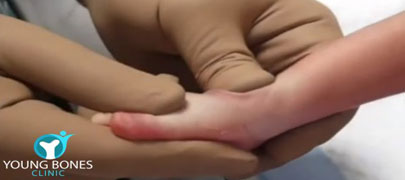
Gentle and slow movements and stretches of the foot help to move the abnormal foot into the correct position.
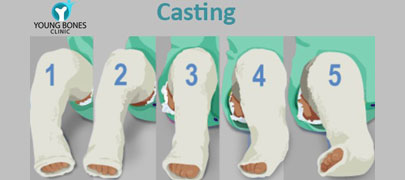
A baby wears a plaster cast that gently moves the abnormal foot into the correct position.

It is a device that consists of two boots connected to a metal bar. It is fixed on the foot to keep it in the correct position.
Ponseti technique is the most widely used technique in the world. It uses gentle stretching and casting to gradually correct the deformity.
It is an effective method for all types of clubfeet as the initial non-surgical treatment.
This technique is highly successful for children with clubfoot in Gurgaon, Delhi, and avoids extensive surgeries. The goal is to obtain a functional, pain-free foot that enables standing and walking with the sole area of the foot on the ground.
Parents will need to continue doing stretching exercises with their babies.
Babies might be fussy during the first few days of wearing a brace and will need time to adjust.
Adhering to the prescribed usage guidelines for the special boots is extremely important. Not following the guidelines correctly is the most common cause of failure of this treatment method.
Surgery may rarely be required in cases where:
A tendon transfer is most frequently required if the child is showing signs of a hyperactive tendon, causing inward movement of the feet while walking.
The technique is safe, provided the critical steps are diligently followed.
With appropriate treatment, the child should have a nearly normal foot, and he or she can run, play, and wear normal shoes.
The affected foot is usually 1 to 1.5 sizes smaller and somewhat less mobile than the normal foot.
The calf muscles in the child’s clubfoot leg may also remain smaller, so the child may complain of sore legs or getting tired sooner than peers.
The affected leg may also be slightly shorter than the unaffected leg, but this is rarely a significant problem.
Book an appointment with our surgeon in Gurgaon if you are concerned about your child’s clubfoot.